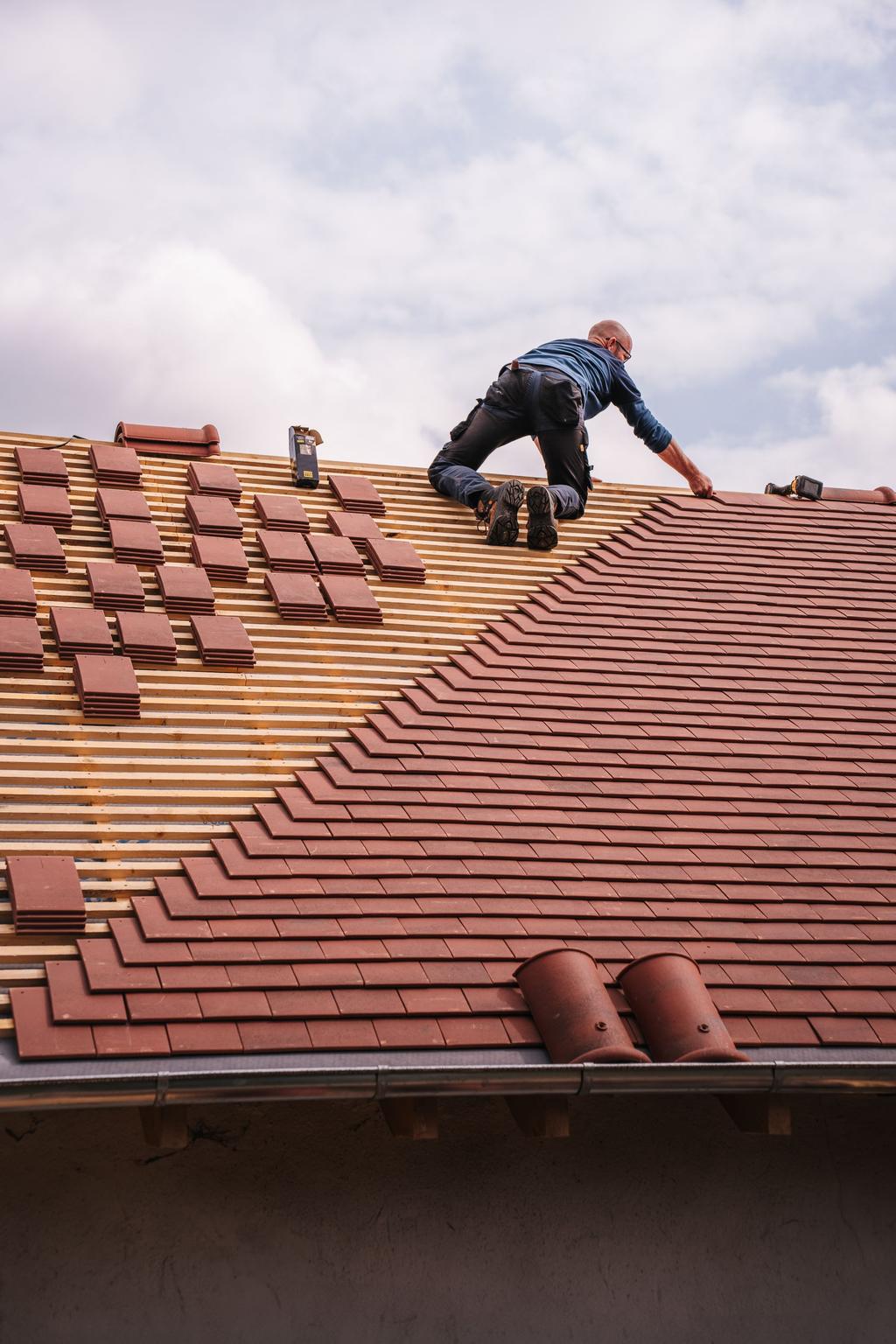
The Code of Practice describes the profile shapes and what each one's for 1.
Corrugate vs trapezoidal: what's the difference?
The minimum pitches 3:
| Profile | Rib height | Minimum pitch |
|---|---|---|
| Corrugate | 16.5 mm | 8° |
| Corrugate | 21 mm | 4° |
| Corrugate | 35 mm | 3° |
| Trapezoidal (asymmetric) | 20 mm | 4° |
| Trapezoidal (asymmetric) | 27 mm | 3° |
| Trapezoidal (asymmetric) | 36 mm | 3° |
| Trapezoidal (symmetric) | 30 mm | 3° |
| Standing seam / secret-fix | — | 3° |
Source: [[nzmrm_pitch]].
Can I change profile when I re-roof?
Often, if it suits your pitch 3. Replacing roofing with profiled metal in the same spot is one of MBIE's exempt examples 4.
Frequently asked questions
Which roofing profile is cheapest?
Corrugated long-run is cheaper, $130–$180/m² installed, against $170–$230/m² for tray or standing seam 2.
Sources
- NZ Metal Roofing Manufacturers — Code of Practice: profiles (accessed 26 Oct 2026)
- Solution Roofing — How much does a roof replacement cost in New Zealand? (2026 guide) (accessed 26 Oct 2026)
- NZ Metal Roofing Manufacturers — Code of Practice: minimum roof cladding pitch (accessed 26 Oct 2026)
- MBIE Building Performance — Schedule 1, exemption 1: general repair, maintenance and replacement (accessed 26 Oct 2026)
Prices are published planning ranges, not quotes. See our editorial policy.